





Shin Splint Causes
The pain associated with shin splints is a result of excessive amounts of force on the shin bone and the tissues that attach the muscles to it. This excessive force causes the muscles to swell, which increases the pressure against the bone, leading to pain and inflammation. This means that shin splint pain is a fairly common foot problem for athletes or individuals who exercise regularly. Frequent and repetitive pressure from running or jumping can cause the shin bone to become inflamed and weakened, so aim to avoid accelerating any sports or exercise routines too quickly.
Shin splints can also result from stress reactions to bone fractures. The constant impact of each step can cause minute cracks in the bones of the legs, which can build up to a complete fracture or stress fracture. However, if given time to rest, the body can heal the cracks itself. Those who struggle with over-pronation should also be mindful as this can be a major contributing factor. Excessive pronation leads to internal tibial rotation, and will increase the tractional forces upon the muscles and ligaments in the lower leg.
Symptoms Of Shin Splints
Shin pain often begins after you start exercising. It can gradually worsen from a dull pain to a chronic, constant, sharp pain. The most common symptoms include:
- A dull ache in the front part of the lower leg
- Pain the develops during exercise
- Pain on either side of the shin bone
- Pain along the inner part of the lower leg
- Tenderness or soreness along the inner part of the lower leg
- Mild swelling in the lower leg
- Numbness or weakness in the feet
The time period for these symptoms will vary and can be experienced all within one period of exercise. Suddenly changing your level of activity will also impact the level of pain in your shins. Starting a new, impactful routine can also increase shin splint pain, and symptoms may be felt in both legs.
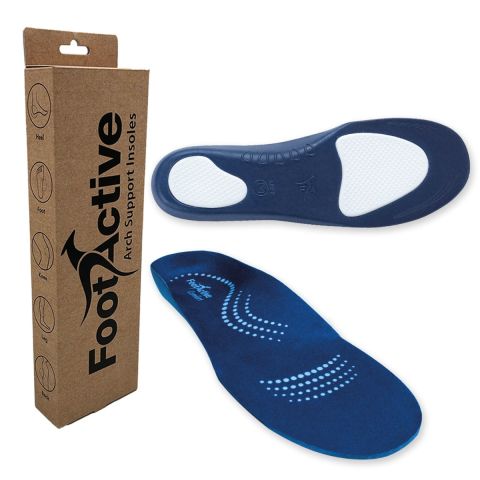
Orthopaedic insoles are useful in that they help prevent over-pronation, thereby reducing the strain placed on the muscles and ligaments in the lower leg. In some cases, supportive shoes should be worn and not just when exercising. Running shoes with proper rearfoot stability are most important.
Other shin splint treatment is very simple, rest and ice rotations as standard, especially after a long day on your feet. Simple anti-inflammatory pain relief will also reduce the effects.
Long term shin splint treatment will require some lifestyle choices, but often that can be why shin splints have occurred in the first place, for example, losing weight and increasing activity level.
If at-home shin splint treatment has no effect, you should consult your GP. They might then refer you onto a physiotherapist or for an X-ray to asses the concerns. For more information and advice when buying orthopaedic insoles or appropriate shoes, don’t hesitate to get in touch with one of our knowledgeable team members.
Shin Splints FAQs
What are shin splints?
Shin splints refer to pain and tenderness along the front or inside of the lower leg, usually caused by repeated stress on the shin bone and the surrounding muscles, tendons and connective tissue. The condition is especially common in people who run or increase activity too quickly.
How do I know if I have shin splints?
Shin splints usually cause pain and tenderness along the front or inside of the lower leg. The discomfort often appears during or after exercise and may get worse if activity continues without rest.
What activities can trigger shin splints?
Repeated impact activities like running, jumping, or suddenly increasing exercise intensity can lead to shin splints. Hard surfaces, unsupportive shoes, and muscle imbalances can also make them more likely.
How to treat shin splints
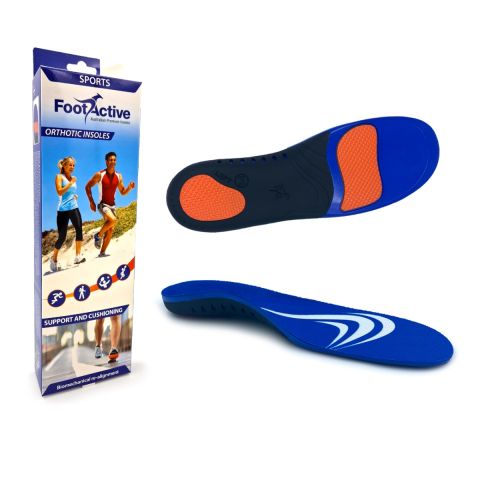
Shin splints can often be managed with rest, ice, stretching and low-impact activities while healing. Using supportive orthopaedic insoles can also help reduce stress on the shin and improve alignment; FootActive Sports Insoles are specifically designed to provide extra cushioning and support for athletes and active users. Strengthening exercises for the lower legs and over-the-counter pain relief can further support recovery and shin splint relief.
How can I reduce the risk of shin splints returning?
Gradually increasing exercise intensity, wearing medium density insoles everyday, choosing supportive footwear, and strengthening the muscles in your lower legs can help prevent shin splints from coming back.