





Causes Of Heel Spurs
Heel spurs can often be caused by tearing of the membrane that sits over the heel bone repeatedly, by stretching the plantar fascia or by general strains of the foot’s muscles and ligaments.
There are a number of risks that have the potential to lead to heel spurs or other related issues such as:
- Placing excessive stress on the heel bone with walking gait abnormalities
- Running or jogging, particularly on hard surfaces
- Being overweight
- Wearing shoes with a lack of arch support or that are poorly fitted
- Increasing age leading to a decline in plantar fascia flexibility
- Diabetes
- Physical activity bursts
- Suffering from flat feet
- Spending the day on your feet regularly, as a result of work or other activity
- Regularly wearing flip flops with a lack of arch support
- Worn-out shoes
- Heel bruising
Symptoms Of Heel Spurs
There are a number of symptoms of heel spurs which a person may experience. It is important to note that not everyone will experience each and every one of these symptoms, and others may have no symptoms at all!
Some of the most common symptoms of heel spurs include:
- Sharp heel pain when standing up or walking in the morning
- Inflammation or swelling at the front of the heel
- The affected area appears warm to touch
- Small but visible protrusion under the heel
- A dull, constant ache in the heel
- Tenderness in the area
Heel Spur Treatments
If you are suffering pain, then finding the right heel spur treatment can help to alleviate this both short term and long term. Calcium deposits that form heel spurs will not detach or decrease completely on their own. Heel spur treatment will be required to remove them completely. Surgery is rarely required as at-home treatments and easy measures can be introduced to reduce the symptoms.
Cold Compress
A cold compress or ice pack can temporarily numb the area and help to provide heel spur relief. Doing this up to 15 minutes at a time is most effective, and these are preferred to heat packs to alleviate muscle and joint aches.
Anti-Inflammatory Medications
Anti-inflammatory injections or over the counter pain medications can be an effective heel spur treatment. It is important that you seek proper medical advice from your GP, pharmacist or podiatrist before taking any anti-inflammatory medications for heel spur relief.
Physical therapy and stretching
As with most joint or muscle pains, your podiatrist, GP or pharmacist may recommend physical therapy or at home stretches to help prevent long-term heel spur pain. Stretching the heel and plantar fascia can be an effective treatment.
Rest
As with all joint pains, rest can be effective in helping to reduce heel spur pain. Staying off your feet and being mindful of how long you’ve spent on your feet during the day can help you with heel spur relief.
Orthotic shoe inserts
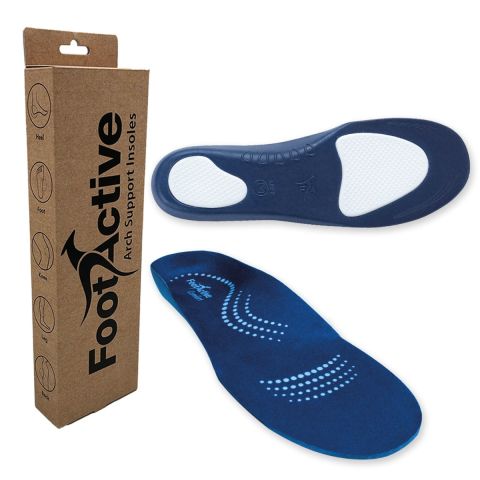
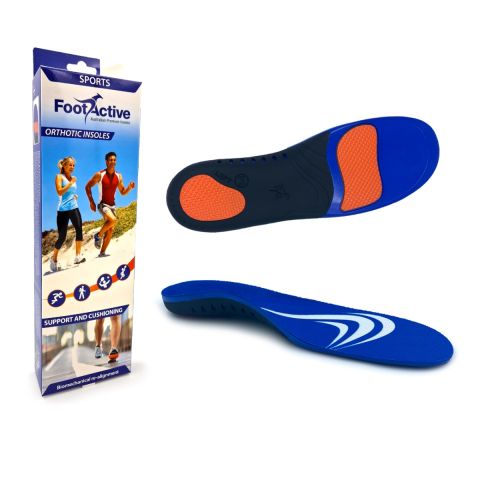
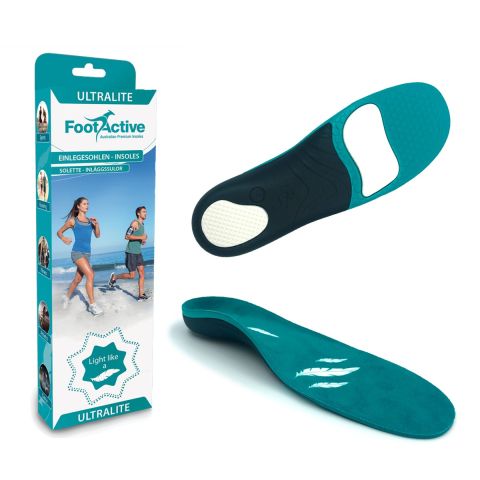
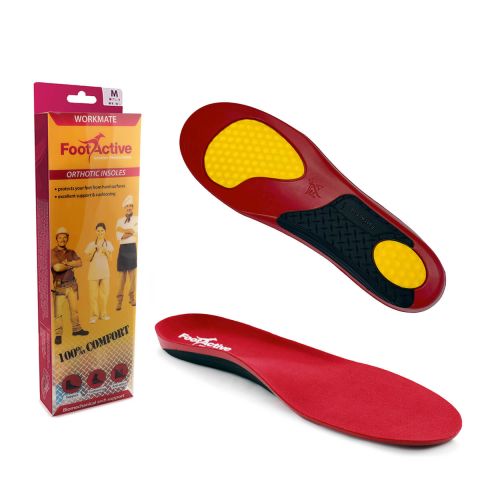
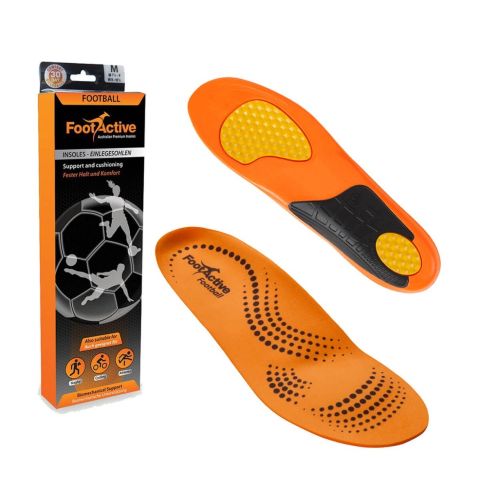
Orthotic shoe inserts and heel spur orthotics can be a highly effective heel spur treatment, offering additional support and cushioning, allowing your shoes to fit properly and to provide additional comfort if you are in pain. FootActive heel spur orthotics are designed to support the arch of the foot and stabilise the heel, therefore restoring the natural foot position. This reduces the strain and pressure on the Plantar Fascia and will therefore reduce the pain! Get in touch with one of our experts to discuss our heel spur orthotics. We work with podiatrists and physiotherapists to ensure we are providing the best foot care.
Prevention Of Heel Spurs
If you are suffering with heel spurs, or have suffered in the past and are looking for a form of prevention, then having a greater focus on your overall foot health can help. Making sure to rest your feet at the end of the day and being mindful of the everyday stresses that they go through will help.
Never ignore any heel spur pain that may develop, as this could lead to long-term issues.
Icing the area can also help to reduce any swelling or heel spur pain if you are experiencing this after an activity.
For more information about FootActive orthotic insoles to help support you with alleviating your heel spurs, get in touch with our team today.
Heel Spur FAQs
What does a heel spur feel like?
The inflammation caused by heel spurs can feel like a sharp, stabbing pain in the heel. The pain tends to be worse when you take your first few steps in the morning, or when you get up and walk after sitting down for a while. Generally, symptoms are less severe at other times of the day, but you may notice some pain after doing strenuous exercise or prolonged periods of walking/standing.
What does a heel spur look like?
Heel spurs are not usually visible on the surface of the skin, as they are not protrusions or bumps that you can typically feel or see. They are instead formed inside your foot and can’t be seen without having an X-ray.
On an X-ray, the appearance of a heel spur can vary in size and shape, but they often look like a hook or spike which faces the inside of the arch.
Do heel spurs go away on their own?
Heel spurs themselves don’t go away on their own, however the inflammation and pain caused can be treated using heel spur insoles and other treatments methods we discussed above.
As long as any pain is managed effectively with home treatments, there is rarely a need for surgery to remove the heel spur.
What’s the difference between heel spurs and Plantar Fasciitis?
Plantar Fasciitis isn’t the same as heel spurs, but many people confuse symptoms. Plantar Fasciitis is inflammation of the Plantar Fascia, often caused by a tear in muscle tissue, and can be extremely painful. A heel spur, on the other hand, is a calcium deposit, or bone spur.
Plantar Fasciitis can, however, be a cause for heel spurs, which is where the confusion typically lies.
What aggravates a heel spur?
Heel spurs can be aggravated by wearing shoes without arch support, and also by doing strenuous activities and/or being on your feet for long periods. Finding the best insoles for heel spurs is important for proper support and padding to the affected area.