









Symptoms Of Gout
Symptoms are often characterised by sharp, severe and sudden foot pain caused by gout in the affected area. Alongside this, there are a number of other common symptoms:
- Severe pain in the joints
- Pain in the ankles, knees, hands, feet or wrists
- Acute pain, redness, inflammation and discomfort in the big toe
- Itchy, inflamed areas of skin
- Fever - some gout sufferers report a high temperature and are feverish
- Reduced flexibility
- Where a joint has been affected stiffness and reduced flexibility are common
- Nodules - small nodules may first appear on the elbows, hands or ears.
- The most common complaint of gout is the tingling, throbbing or burning sensation experienced in the big toe. Gout symptoms do tend to change over time, a gout attack can mean the skin around the affected area may begin to peel. As a case progresses, it is common for the range of motion to become impaired.
Foot pain caused by gout typically lasts for about 1 week. They are experienced as bouts or ‘attacks’ as gout symptoms can ebb away and do gradually lessen if the problem is managed. Anti-inflammatory treatments will help soothe symptoms and foot pain caused by gout in standard cases.
Stages Of Gout
There are different stages of gout to be aware of:
Stage 1: Asymptomatic Hyperuricemia – this is where your uric acid levels begin to form crystals.
Acute Gout – Uric acid levels begin to spike and trigger a gout attack.
Interval Gout – This refers to the time between spouts of gout attacks where joints are inflamed and may still be damaged, but there may be no pain.
Chronic Gout – Gout attacks are frequent and uric acid levels remain high, which over time can lead to joint damage and loss of mobility.
Purines can be found naturally in the body, but they are also found in red meat, shellfish and certain types of alcoholic drink (most notably, beer!). A high intake of these products means a higher level of purines and therefore a higher chance of a gout attack.
Being overweight can also lead to a higher chance of developing and experiencing gout symptoms.
Abuse and extensive use of aspirin and other diuretic medicines often used to manage high blood pressure (a common associative issue to diabetes), can also trigger a gout attack.
Whilst gout is commonly referred to as the rich man’s disease because of it’s association with rich foods and a luxurious lifestyle, very low calorie diets can also be the catalyst for an attack of gout. Additionally, fast weight lost can also incur gout symptoms.
What You Can Do To Prevent Gout
Gout attacks can generally be treated with the use of ibuprofen or another non-steroidal anti-inflammatory. You can also visit the doctor and take any medicine you’ve been prescribed as soon as possible. Some non-medicinal treatments include:
- Resting and raising the limb
- Drinking lots of water unless advised otherwise
- Keeping bedclothes and other materials off of the affected joint at night
- Resting and raising the limb to reduce swelling
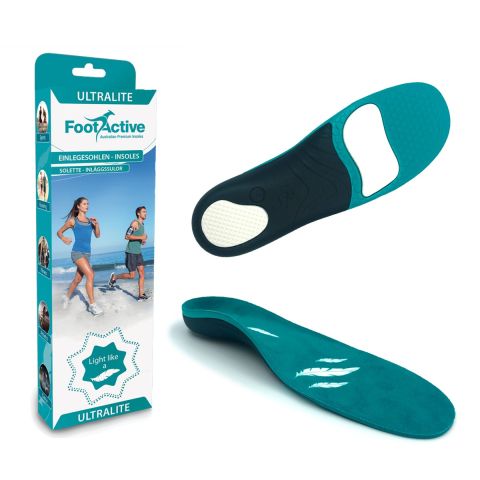
- Insoles for gout
It is important to not put pressure onto the joint where possible in order to help reduce pain and swelling.
Gout has the potential to come back regularly, and more often if not treated. Making lifestyle changes such as getting to a healthy weight and maintaining a healthy, balanced diet, having some alcohol-free days each week, avoiding dehydration, exercising regularly, stopping smoking and vitamin C supplements.
Insoles for gout can also help to reduce the stress on the feet by providing much-needed support and cushioning.